
This article was written by an independent contributor and is not from Homoper’s editorial staff. The views and opinions expressed are solely those of the contributor and do not necessarily reflect those of Homoper. This post may contain links to external websites. The inclusion of these links does not constitute an endorsement of, or partnership with, Homoper, and Homoper is not responsible for the content or practices of any linked third-party sites.
Many flats in older buildings still have a boiler with a standing pilot light, a small flame that stays lit and ignites the main burner when the heating or hot water is needed. It works quietly for years. Then one cold morning the pilot goes out, the hot water stops, and the flat feels colder than it should.
Boiler pilot light problems usually come from a handful of causes, such as a draught, a dirty pilot jet or a sensor that no longer detects the flame. This guide explains what each one looks like and what is safe to check yourself. It also covers the point at which you should stop and hand the job over to a Gas Safe-registered engineer.
What the pilot light does
The pilot light is a small, steady flame. A sensor next to it, called a thermocouple, detects the heat. While the sensor is hot, it holds the gas valve open. If the flame goes out, the sensor cools, and the valve closes, so gas stops flowing. This safety feature is the reason a pilot that goes out must never be ignored.
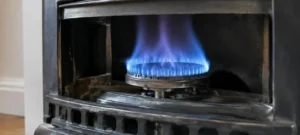
A healthy pilot flame is blue and steady. A weak, yellow, or flickering flame is a warning. Yellow can mean the flame is not getting enough air, or that dust and soot are partly blocking the jet.
Read more:
Common reasons the pilot light goes out
Draughts are the first suspect in older flats. Some boilers sit in kitchen cupboards or on external walls, where wind through a gap, a vent or an ill-fitting window can blow the flame out. If the pilot goes out only on windy days, the location is likely the reason.
A second common cause is a worn thermocouple. Over time, the sensor loses the ability to read the flame, so it tells the valve to close even though the pilot is alight. The pilot lights while you hold the button, then goes out as soon as you let go. That pattern is typical of a sensor on its way out.
Other causes include dirt in the pilot jet, a blocked flue, or a fault in the gas valve. Condensate problems can also switch some boilers off, and an owner may mistake that for a pilot fault.
How an engineer reads the signs
Think of three simple patterns. If the pilot only goes out in windy weather, check for draughts and ventilation. If it will not stay lit after you release the button, suspect the sensor. If it lights but the flame is yellow and noisy, suspect dirt or a combustion problem.
Noting which pattern applies helps an engineer fix the fault faster. Write down the time, the weather and what you saw before calling.
What you can safely do
Check your manual first. Manufacturers give a specific relighting method for each model, and the steps differ. If the manual says you may relight the pilot, follow it exactly. Wait for any gas to clear before trying, usually a few minutes with a window open.
Make sure the boiler is not in a sealed, airless cupboard. Check that no vent is blocked by boxes or cloth. Look at the room for a source of draught near the boiler.
If the pilot lights and stays lit, the boiler may be fine. Still, a pilot that went out once will probably go out again. Note the date, and mention it at the next service.
What you should not do
Do not remove the casing of a gas boiler. Do not clean the pilot jet with a pin or a wire. Do not keep pressing the ignition button repeatedly, as unburnt gas can accumulate. And do not bypass the safety sensor, which is there to stop gas from escaping.
If you smell gas, leave the property, keep flames and switches away, and call the National Gas Emergency Service on 0800 111 999. If anyone feels dizzy or has a headache, treat it as a possible carbon monoxide risk and call 999.
Why flats need extra care
Flats have features that make pilot problems and gas safety harder. Flues may run through shared structures. Neighbours’ work can change air flow. In a rented flat, the landlord is responsible for keeping gas appliances safe, so report a pilot problem to them in writing and keep a copy.
Say a flat’s boiler has run well for ten years, and a new neighbour’s extractor fan changes the draught in the shared duct. The pilot starts to fail. The boiler has not changed, but its surroundings have, and an engineer will need to look at both.
When it is time for a repair
Call for an emergency boiler repair in london when the pilot will not stay lit, when you see soot or scorch marks around the boiler, or when the heating and hot water stop in cold weather. A Gas Safe registered engineer can test the sensor, clean the jet and check that the flue clears the gases.
An older boiler with repeated pilot trouble may be a sign that parts are wearing out. An engineer can tell you whether a repair is sensible or whether the boiler is reaching the end of its working life.
Draughts, wind and cold snaps
Pilot lights go out more often in bad weather. A strong gust down a flue, a draughty boiler cupboard or a sudden cold snap can all blow out a small flame. If yours goes out only on windy nights, tell whoever looks at it. It is a useful clue, and it is different from a flame that dies for no obvious reason.
Do not keep relighting it
It is tempting to relight and carry on. Once is reasonable if the instructions for your boiler say how. If it goes out again within a day or two, stop. A flame that will not stay lit is a sign that something is wrong, and relighting over and over does not fix it.
What to tell the engineer
Before the visit, jot down a few things: how old the boiler is, when the pilot last went out, whether the weather was bad, and whether anyone had been fiddling with the controls. It sounds small, but it often saves time. The engineer can then go straight to the likely cause instead of starting from scratch.
If you rent, send the same notes to your landlord in writing so there is a record of when you reported the problem.
A short routine for older boilers
- Have the boiler serviced once a year.
- Keep the area around it clear of storage.
- Keep a working carbon monoxide alarm in the same room or hall.
- Report any change in flame colour or smell early.
A steady blue pilot is a small thing, but in an older flat it is a good measure of how well the appliance and its surroundings are working.