
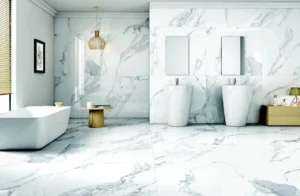
Marble is a timeless and elegant natural stone that has been used for centuries in various applications, from statues and sculptures to luxurious countertops and flooring. If you’re considering incorporating marble into your next project, it’s essential to understand the cost associated with this exquisite material. In this article, we will delve into the factors that influence the price of marble per square foot, enabling you to make an informed decision for your specific needs.
I. Factors Influencing the Cost of Marble:
When determining how much is marble per square foot, several factors come into play. These include:
Quality and Grade:
Marble is available in a range of qualities and grades, each with its own unique characteristics and price points. Higher-quality marbles, such as Carrara or Calcutta, typically come at a premium cost due to their rarity and distinct veining patterns.
Sourcing and Origin:
Marble is quarried in different regions worldwide, with each location offering its own variations in color, veining, and availability. The transportation costs associated with sourcing marble from distant quarries can impact its price per square foot
Thickness and Size:
The thickness and size of marble slabs can affect their cost. Thicker slabs are generally more expensive, as they require more raw material and take longer to quarry and process. Additionally, larger slabs may be priced higher due to their increased weight and handling requirements.
Finishing and Treatment:
The type of finish applied to marble surfaces can impact its price. Polished marble, known for its glossy and reflective surface, tends to be more expensive than honed or tumbled marble, which offer a softer, matte appearance. Special treatments, such as sealants or stain-resistant coatings, may also add to the overall cost.
Read more: The New Era of ‘Organic Luxury’: How Natural Stone is Redefining the Modern Family Home
II. Average Cost Range for Marble per Square Foot:
The cost of marble per square foot can vary significantly based on the factors mentioned above. However, to provide you with a general idea, here is a rough breakdown of the average price range:
Low-End Marble:
For low-grade or less expensive marble varieties, you can expect to pay around $5 to $15 per square foot. These options are often more readily available and suitable for less demanding applications.
Mid-Range Marble:
Mid-grade marbles, offering a balance between quality and affordability, usually range from $15 to $30 per square foot. These varieties encompass a wide selection of colors and patterns, making them popular choices for residential projects.
High-End Marble:
Premium marbles with exceptional quality, rarity, and unique characteristics can cost anywhere from $30 to $100 or more per square foot. These high-end options are often chosen for luxurious and high-profile projects.
- Quality and Grade: The quality and grade of marble are significant factors in determining its price per square foot. Marble comes in various grades, ranging from commercial grade to premium grade. Commercial-grade marble is more affordable but may have more imperfections and variations in color. On the other hand, premium-grade marble, such as Carrara or Calacatta, is known for its superior quality, stunning veining patterns, and higher price tag.
- Sourcing and Origin: The origin of the marble can affect its cost. Marble quarried from certain regions, such as Italy, Greece, or Brazil, is often considered more prestigious and may command a higher price due to its reputation for exceptional quality and unique characteristics. On the other hand, domestically sourced or more readily available marble varieties may be more affordable.
- Thickness and Size: The thickness and size of marble slabs can impact the cost per square foot. Thicker slabs require more raw material, are heavier, and involve additional processing and handling, which can contribute to a higher price. Similarly, larger-sized slabs may be more expensive due to the increased material and logistics involved in their extraction, transportation, and installation.
- Finishing and Treatment: The type of finish and any additional treatments applied to the marble can influence its price. A polished finish, which results in a glossy and reflective surface, is often more expensive than other finishes like honed or tumbled, which offer a softer, matte appearance. Additionally, certain treatments like sealants or stain-resistant coatings may increase the overall cost but provide added durability and protection.
- Market Demand and Availability: The supply and demand dynamics of the marble market can also affect its price. Limited availability, high demand, or specific trends in the industry may drive up the cost per square foot. Conversely, if a particular marble variety is abundant or not currently in high demand, its price may be more affordable.
- Additional Expenses: In addition to the cost of the marble itself and the installation, there may be other expenses to consider. These can include any necessary surface preparation, such as leveling or removing existing flooring, which could add to the overall project costs. Other potential expenses might include edge profiling, sealing, or regular maintenance to preserve the marble’s appearance and longevity.
- Quantity and Bulk Discounts: The quantity of marble needed for your project can influence the price per square foot. Typically, purchasing marble in larger quantities can lead to potential bulk discounts from suppliers or distributors. If you have a significant project requiring a substantial amount of marble, it is worth exploring the possibility of negotiating pricing based on volume.
- Market Fluctuations: The cost of marble per square foot can be subject to market fluctuations and economic conditions. Factors such as changes in currency exchange rates, availability of raw materials, or shifts in the construction industry can impact the pricing of marble. It’s essential to stay informed about current market trends and consult with professionals to navigate any potential price variations.
- Additional Services and Customization: If you require additional services or customization for your marble project, such as fabricating specific shapes, custom finishes, or intricate inlays, these factors can contribute to the overall cost per square foot. These specialized services require expertise and craftsmanship, which may be reflected in the final pricing.
Conclusion:
When considering the cost of marble per square foot, it’s crucial to take into account the quality, origin, thickness, finish, and treatment options. By understanding these factors, you can make an informed decision that aligns with your budget and aesthetic preferences. Remember to consult with marble suppliers and professionals to obtain accurate pricing for your specific project requirements. With the right knowledge, you can transform your space into a stunning display of timeless elegance with marble.
