

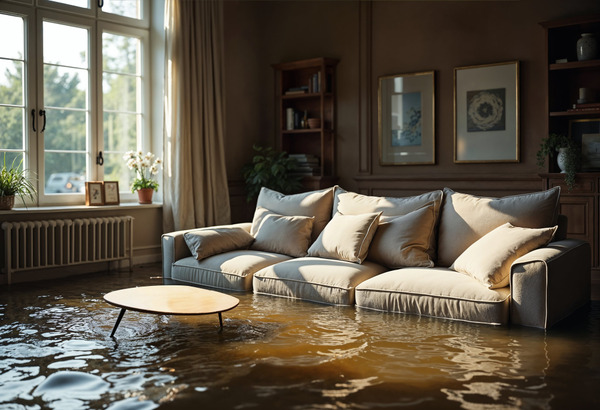
Few things rattle a homeowner like the sight of water where it should not be. Maybe you woke up to a soaked carpet, walked into a flooded basement after a storm, or discovered a slow leak that quietly warped your floorboards for weeks. Whatever brought you here, take a breath. You can handle this, and thousands of families recover from water damage every year. The key is acting quickly and understanding what residential water damage restoration actually involves, because the first 48 hours shape everything that follows.
That urgency is not a scare tactic. Water spreads fast, soaks into porous materials, and creates the perfect conditions for mold and structural decay. The good news is that you do not have to navigate this alone or guess your way through it. This guide walks you through what causes residential water damage, why speed matters so much, how the restoration process works step by step, and how to choose a company you can trust. Knowledge turns panic into a plan, and a plan protects both your home and your peace of mind.
What Counts as Residential Water Damage?
Water damage describes any situation where unwanted water harms your home’s structure, finishes, or belongings. It shows up in many forms, and the source often determines how complex the cleanup becomes.
Clean water from a broken supply line or an overflowing sink poses the lowest risk. Gray water from appliances like dishwashers and washing machines carries contaminants. Black water from sewage backups or flooding brings serious health hazards and demands professional handling. Common culprits include burst or leaking pipes, so keeping an eye on your home’s plumbing system pays off year after year. Other frequent causes include storm flooding, roof leaks, foundation seepage, appliance failures, and overflowing gutters that push water back toward the house.
No matter the cause, the damage rarely stays cosmetic. Water travels downward and outward, slipping behind walls, under flooring, and into insulation where you cannot see it. That hidden spread explains why surface drying alone almost never solves the problem.
Why the First 24 to 48 Hours Matter Most
Speed is the single biggest factor in how much you ultimately spend and how much of your home you save. Mold growth typically begins within 24 to 48 hours of water exposure, a window that the EPA’s mold and moisture guidance clearly identifies. The CDC echoes this advice, recommending that homeowners dry wet areas fully within that same period and keep indoor humidity below 50 percent.
Once mold takes hold, the project grows from a straightforward dry-out into a remediation job. Beyond mold, lingering moisture weakens drywall, swells wood, corrodes fixtures, and can compromise your home’s structure over time. Restoration professionals follow the IICRC S500 standard, the industry’s benchmark for water damage work, precisely because it prioritizes rapid extraction and thorough drying before these secondary problems start.
So if you remember one thing from this article, remember this: move fast. Shut off the water source if you can, cut the power to affected areas only when you can reach the panel safely, and start the response process immediately. Every hour counts.
The Water Damage Restoration Process, Step by Step
Understanding the process removes much of the fear. A qualified team follows a clear sequence, and knowing what to expect helps you stay calm and ask the right questions.
Inspection and assessment. Technicians arrive, locate the source, and measure the full extent of the damage with moisture meters and thermal imaging. They classify the water type and map out a plan tailored to your home.
Water extraction. Using powerful pumps and vacuums, the crew removes standing water quickly. Fast extraction limits how deep the water penetrates and shortens the entire timeline.
Drying and dehumidification. Industrial air movers and dehumidifiers pull moisture out of materials you cannot reach by hand. This stage often runs several days, and technicians monitor readings daily to confirm real progress.
Cleaning and sanitizing. The team cleans salvageable belongings, treats surfaces to prevent mold, and deodorizes the space. When black water or sewage enters the picture, this step becomes essential for your family’s health.
Restoration and repairs. Finally, the crew rebuilds. That might mean replacing drywall and flooring, repainting, or handling larger structural repairs. If a roof leak caused the damage, addressing the roofing problem at the same time prevents a repeat disaster.
Should You Handle It Yourself or Call a Professional?
Small, clean-water spills that you catch immediately often fall within DIY range. A bath overflow you mop up within minutes rarely needs a crew. You can pull up a soaked rug, run fans, and watch the area closely for any signs of trouble.
Larger events tell a different story. When water covers a wide area, soaks into walls, sits for more than a day, or involves gray or black water, professional help protects you in ways a shop vac never could. Restoration companies bring commercial-grade equipment, certified expertise, and the ability to find hidden moisture before it festers. They also document the damage thoroughly, which matters enormously for insurance.
Speaking of coverage, review your policy early. Many homeowners assume their insurance covers every scenario, then discover gaps after the fact. Reading up on what your home warranty or insurance plan covers before an emergency helps you respond with confidence instead of confusion.
Smart Steps to Take in the First Hour
What you do in those first sixty minutes genuinely shifts the outcome, so act with purpose. Stop the water at its source the moment you can reach the shutoff safely. Move furniture, electronics, rugs, and sentimental items to a dry room, and lift anything you cannot move off the wet floor. Slide foil or wood blocks under furniture legs to stop stains from spreading into carpet.
Then protect yourself and your claim. Never step into standing water that hides electrical outlets or appliances, and never tackle a sewage backup on your own. Snap photos and record video of every affected area before you move or toss a single item, because clear documentation strengthens your insurance claim and speeds up the payout. These simple moves cost you nothing and save you plenty.
How to Choose a Restoration Company You Can Trust
Not every company delivers the same quality, and you make this decision under stress, so set your criteria in advance. Look for IICRC certification, which confirms the team follows recognized industry standards. Demand 24/7 availability, because water emergencies ignore business hours. Check reviews, verify licensing and insurance, and ask whether the company assists with insurance claims.
A trustworthy provider communicates clearly, explains each step, and treats your home with respect. Companies that combine fast response with full-service restoration, like the Colorado-based 24/7 water damage restoration team at HRS Restoration Services, handle everything from extraction through final rebuild and save you the headache of juggling multiple contractors. One accountable partner from start to finish keeps the project moving and your stress level down.
Pay attention to how a company handles your insurance, too. The best providers document the damage in detail, communicate directly with your adjuster, and walk you through the claim so you never feel lost in paperwork. Ask each candidate three quick questions before you sign anything: How fast can you arrive? Do you hold current IICRC certification? Will you handle the rebuild as well as the cleanup? Honest answers reveal a great deal, and the right team will welcome the scrutiny rather than dodge it.
Common Mistakes That Make Water Damage Worse
A few avoidable missteps turn manageable situations into expensive ones, so watch for these traps.
First, many homeowners wait. They hope a damp patch dries on its own, and that delay hands mold its 48-hour head start. Second, people underestimate hidden moisture. A floor may feel dry to the touch while water still saturates the subfloor and wall cavities, so trust meters over your hand. Third, homeowners skip documentation. Photograph everything before you move or discard anything, because your insurer needs that evidence to process a fair claim. Finally, some folks attempt a full DIY recovery on a job that clearly needs certified equipment, then pay twice when the problem resurfaces months later. Recognizing your limits early protects both your wallet and your home.
Turning a Crisis Into a Comeback
Water damage feels overwhelming in the moment, but it does not have to define your home’s future. Homeowners recover from leaks, floods, and storms every single day, and they come out the other side with dry, safe, restored spaces. Your job is to act quickly, understand the process, and lean on qualified help when the situation calls for it.
Treat the first 48 hours as your window of opportunity. Stop the water, start the response, protect your documentation, and choose your restoration partner wisely. Do those things, and you transform a frightening setback into a manageable project, and ultimately, into a home that feels whole again.
