

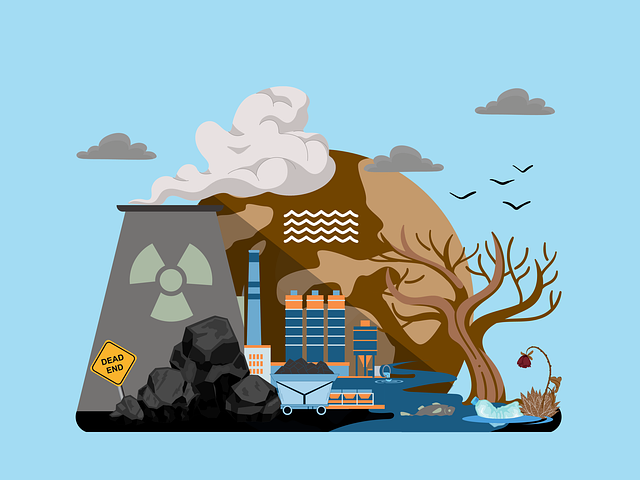
The real estate industry has a significant impact on the community, the economy, and the environment. The whole process involved in any project, including preparing land for construction, building the structure, its operations, and even redeveloping the structure, impacts the consumption of energy, resources, and waste production. In view of the growing importance of the environment, there is increased attention towards developing structures through proper planning. It is important for an organization to understand the environmental impact of real estate to make better decisions about growth and development. The following are some insights on the issues related to the relationship between real estate and the environment.
Green Energy and Efficient Building Operations
The use of buildings consumes significant amounts of energy globally, making it a major issue on the environmental agenda. Contemporary facilities include efficient insulation, smart lighting controls, high-performing heating and cooling systems, and automated energy management to cut energy consumption. Alternative energy resources reduce reliance on fossil fuels and promote environmentally friendly building operations. Numerous commercial and residential buildings feature solar panels to generate their own energy and reduce emissions and costs. Combined with regular maintenance and ongoing performance monitoring, these improvements strengthen building resilience while delivering financial and environmental benefits throughout the property’s lifespan.
Construction Materials and Resource Consumption
Construction projects use large quantities of materials such as concrete, steel, wood, glass, and aggregates. The extraction, transportation, and production of such materials generate greenhouse gas emissions and strain ecosystems. A smart choice of materials helps reduce environmental impacts through recycling, responsible sourcing, and the longevity of the materials used. Well-planned projects help avoid the waste of materials used in construction or reconstruction. Project designers are incorporating the circular economy concept by specifying materials that can be recycled after the building has served its purpose. Such measures help conserve natural resources and reduce waste sent to landfills.
Sustainable Development, Governance, and Ethical Responsibility
Environmentally sound performance is related to good governance and ethical behavior in the real estate industry. Well-managed firms assess environmental risks, safeguard the local community, promote transparency, and encourage good business practices. Environmental considerations are increasingly seen as a source of added value for investors in the real estate industry. Many organizations also hire experts to help them develop ESG strategies that align environmental objectives with measurable governance standards and social responsibilities. By embedding accountability into planning and management processes, companies build greater trust among stakeholders while supporting meaningful sustainability goals.
Land Use, Biodiversity, and Urban Planning
The placement and design of these developments affect biodiversity, water supplies, and the ecosystem. Unfavorable expansion may lead to habitat destruction, stormwater runoff, and decreased green space, which will contribute to the preservation of wildlife and the health of people living around the development. Proper site assessment ensures that developers maintain natural features when designing their projects and include parks, native plants, porous surfaces, and proper drainage systems. Denser development within the current urban area eases development in undisturbed areas and improves the transportation system. Well-designed neighborhoods also improve walkability, reduce reliance on vehicles, and create healthier environments for residents and businesses alike.
Waste Reduction and Long-Term Property Management
The commitment to environmental responsibility does not end when construction finishes. The sustainability of buildings depends on how property owners and managers handle issues related to maintenance, renovations, waste management, and occupant participation. Preventive maintenance extends the lifespan of systems installed in buildings, reducing the need for replacement and, therefore, resource waste. Waste recycling programs, composting, and proper waste disposal reduce the amount of trash sent to landfills from residential and commercial buildings. Proper monitoring can detect inefficiencies in buildings and increase resource efficiency.
In conclusion, the environmental consequences of the real estate sector reach far beyond construction sites. The environmental footprint results from material selection, energy efficiency, good corporate governance, land use, and property management. Responsible companies decrease their emissions and natural resource use, increase resilience and operational effectiveness, and comply with market expectations. In a rapidly changing industry, environmentally friendly decisions will become increasingly important in creating properties that ensure economic prosperity while preserving the earth for the future.