

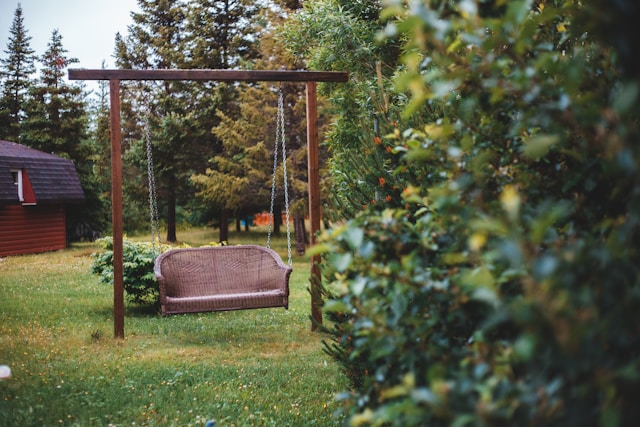
A well-designed garden is never static. It changes, grows, and adapts through the passing months, offering something new to enjoy in every season. When planned with care, the garden becomes a living environment that reflects the rhythm of the year. It can feel vibrant and full of energy in summer, peaceful in winter, and full of promise in spring. Creating a garden that evolves naturally is about designing for flexibility, comfort, and year-round appeal.
Think About the Garden as a Living System
Every garden is an ecosystem, and the most successful designs respect that natural rhythm. Understanding how light, soil, and temperature shift throughout the year helps you plan a space that stays beautiful and functional. Paths, seating areas, and planting should work together to respond to these changes. A garden that evolves gracefully is one that supports life and activity in every month rather than just the warmest ones.
Plan for Year-Round Use
The best outdoor spaces are those that can be enjoyed long after summer ends. Covered areas, wind protection, and layered lighting allow you to spend time outside in different conditions. Comfortable furniture and thoughtful layout make the garden feel like an extra room of the home. Hard surfaces such as composite decking provide a reliable foundation that stays practical and attractive through all seasons. By designing with durability and adaptability in mind, you create a space that welcomes use whatever the weather brings.
Read more:
1. Designing Gardens for the Senses, Not Photographs
2. Dallas Craigslist Farm and Garden: Everything You Should Know
3. How to Properly Maintain Your Yard?
4. How To Roll Up A Garden Hose On A Reel?
Design with Layers of Planting
Planting is what gives a garden its seasonal character. Combining evergreen structure with plants that peak at different times ensures continuous interest. Spring bulbs provide a burst of colour early in the year, summer perennials fill borders with texture, and autumn foliage adds warmth before winter evergreens take centre stage. Layering in this way creates visual movement, guiding the eye from one moment of the year to the next. The garden feels alive, constantly offering something new to discover.
Use Light to Mark the Seasons
Light shapes how we experience the garden at every time of year. Long summer evenings invite open gatherings, while autumn and winter call for a softer glow. Uplighting trees, placing lanterns along paths, or adding warm-toned LEDs under seating areas allows the space to remain inviting after dusk. Light can emphasise seasonal features too, drawing attention to spring blossoms or sculptural winter branches. When the lighting design adapts through the seasons, the atmosphere remains balanced and welcoming.
Create Flexible Zones
A garden that evolves with the seasons should be able to change its purpose easily. Areas for dining, resting, or entertaining can all shift focus depending on the time of year. In summer, open terraces might host family meals, while in winter the same space could become a calm retreat with blankets and soft lighting. Movable furniture, lightweight accessories, and layered textures give freedom to reimagine the garden whenever needed. This flexibility keeps the space fresh and engaging throughout the year.
Embrace the Beauty of Change
Part of the garden’s magic lies in its impermanence. Leaves fall, new growth appears, and colours shift constantly. Designing with this in mind allows you to appreciate the beauty of transition rather than resist it. Grasses that sway in the wind, plants that catch frost in winter, and trees that blossom in spring all tell the story of time passing. When the garden is designed to celebrate rather than conceal change, it becomes more meaningful and alive.
Encourage Connection in Every Season
The garden should always feel like an active part of the home. Creating spots for morning coffee, afternoon reading, or evening conversation encourages you to stay connected with nature no matter the month. Outdoor rugs, cushions, composite fencing and soft lighting can make cooler days just as enjoyable as warm ones. By making each season comfortable in its own way, the garden becomes a place of consistency and calm even as it evolves.
Support Wildlife Year Round
Seasonal design is not only about how the garden looks but how it functions. Planting that provides shelter, nectar, and food throughout the year helps birds, insects, and pollinators thrive. A water feature or small pond adds movement and sound while supporting life. When wildlife feels welcome, the garden gains depth and purpose, becoming part of a wider natural rhythm that changes beautifully with the seasons.
Conclusion
Creating garden spaces that evolve with the seasons means designing for flexibility, resilience, and joy. Through thoughtful planting, adaptable materials, and a sensitivity to light and comfort, the garden can serve you every month of the year. It becomes more than a place to look at. It becomes a place to live in, to notice, and to grow with. When designed in this way, the garden reflects the rhythm of life itself, always changing, always renewing, and always inviting you to step outside and enjoy what each season brings.