

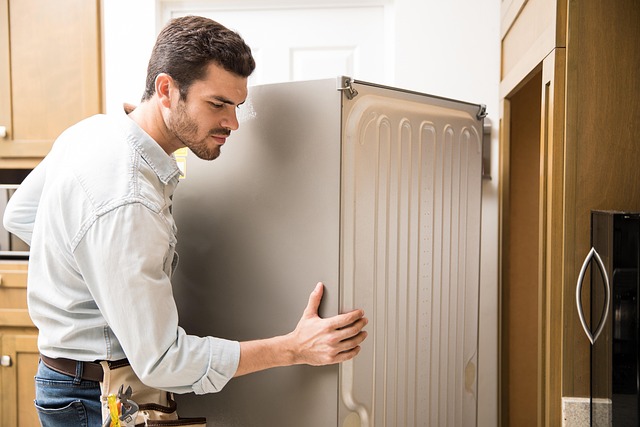
Major Services help keep your refrigerator running efficiently by finding small problems before they turn into expensive repairs. A weak door seal, dirty condenser coils, or a failing thermostat can make your fridge work harder every day. That means higher energy use, poor cooling, and more food waste.
A refrigerator runs all day, every day. The U.S. Energy Information Administration says 99% of U.S. homes have a refrigerator, and many homes use more than one. The FDA says your refrigerator should stay at 40°F or below to keep food safe. These facts show why regular care matters.
This guide explains how Major Service supports better cooling, lower energy use, and longer fridge life. It also covers warning signs, maintenance tips, and when to book refrigerator repair – Major Service.
Why Refrigerator Efficiency Matters
Your refrigerator does more than keep drinks cold. It protects meat, dairy, fruits, vegetables, medicine, and leftovers. Poor cooling can spoil food fast. It can also make your power bill higher.
A fridge loses efficiency for simple reasons. Dust blocks heat release. Loose seals leak cold air. A clogged drain causes water buildup. A weak fan slows air movement. These issues may look small at first.
Small issues grow fast. A dirty coil can make the compressor run longer. A bad gasket can let cold air escape. A faulty thermostat can confuse the cooling system. Major Service checks these points before the fridge breaks down.
Read more:
1. Which Hydrocarbon Refrigerant is Approved for Retrofit Into Existing Household Refrigerators?
2. What Should be Done Before Transferring Refrigerant to an Empty Cylinder?
3. What Must be Done to the Refrigerant that is Vented off the Top When Filling a Charging Cylinder?
4. How Can You Speed up the Removal of the Refrigerant Charge from a System?
What Does Refrigerator Efficiency Mean?
Refrigerator efficiency means your appliance keeps the right temperature using less energy. It should cool food evenly. It should not run nonstop. It should not make loud sounds. It should not leak water.
A healthy refrigerator usually cools with steady cycles. The motor turns on, cools the inside, then rests. Long run times signal a problem. Hot sides, spoiled food, frost buildup, and rising bills may point to poor efficiency.
The Right Temperature Range
The FDA recommends keeping a refrigerator at 40°F or below. The freezer should stay at 0°F. A small appliance thermometer helps you check the real temperature.
Many fridge dials do not show exact numbers. They may only show settings like 1 to 5. A thermometer gives a clear reading. That small tool helps you spot cooling trouble early.
Simple Temperature Check
Place a thermometer in the center shelf. Keep the door closed for several hours. Check the reading later. A steady reading near 37°F works well for most homes.
How Major Service Helps Improve Refrigerator Performance
Major Service helps by checking the parts that affect cooling and energy use. The goal is simple. Keep the fridge clean, sealed, balanced, and safe.
A trained repair visit can find hidden faults. Many homeowners notice only the final symptom. A warm fridge. A loud buzz. A puddle on the floor. Major Service looks at the cause, not only the symptom.
1. Major Service Checks the Condenser Coils
Condenser coils release heat from the refrigerator. Dust and pet hair can cover these coils. That makes heat stay near the fridge. The compressor then works harder.
ENERGY STAR recommends keeping condenser coils clean and leaving space behind the fridge. The U.S. Department of Energy also notes that clean coils help the refrigerator control temperature better.
Major Service can inspect the coil area and clean it safely. This helps the fridge breathe. Less strain means better cooling and less wear on the compressor.
Signs of Dirty Coils
Your fridge may run longer than usual. The outside may feel too hot. The kitchen may hear more humming. Your energy bill may rise without a clear reason.
2. Major Service Tests the Door Seals
Door seals, or gaskets, keep cold air inside. A weak seal lets warm air enter. The fridge then works harder to cool the same space.
ENERGY STAR advises homeowners to check airtight door seals. A broken seal wastes energy and may cause frost. It may also make food warm near the door.
Major Service checks the gasket for cracks, gaps, dirt, and loose edges. A simple seal repair or replacement can make a big difference.
Easy Door Seal Test
Close the door on a paper note. Pull the note gently. A tight seal holds it with some grip. A loose seal lets it slide out with ease.
3. Major Service Checks the Thermostat
The thermostat tells the fridge when to cool. A bad thermostat may send the wrong signal. The fridge may get too warm or too cold.
This can waste energy. It can freeze fresh food. It can spoil milk, meat, and produce. Major Service can test the thermostat and replace it if needed.
4. Major Service Inspects the Evaporator Fan
The evaporator fan moves cold air inside the fridge. Poor airflow causes uneven cooling. One shelf may freeze food. Another shelf may feel warm.
A noisy fan may signal worn parts. Ice near the fan can block movement. Major Service checks the fan motor, blades, and airflow path.
5. Major Service Looks for Refrigerant Problems
Refrigerant helps the fridge move heat. A sealed system issue can weaken cooling. This problem needs skilled service.
Low cooling, long run times, and warm freezer sections may point to refrigerant trouble. Major Service can inspect the system and guide the next repair step.
Refrigerator Repair – Major Service: Problems It Can Fix
Homeowners often search for refrigerator repair – Major Service when the fridge stops cooling. Yet repair needs can start long before total failure.
Major Service can help with many common fridge problems:
| Problem | What You Notice | How Major Service Helps |
|---|---|---|
| Dirty coils | Fridge runs too long | Cleans coils and checks airflow |
| Bad door seal | Door feels loose | Repairs or replaces gasket |
| Faulty thermostat | Food freezes or warms | Tests and replaces thermostat |
| Fan issue | Uneven cooling | Checks fan motor and airflow |
| Drain blockage | Water under drawers | Clears drain line |
| Ice maker issue | No ice or leaking | Checks valve, line, and ice system |
| Compressor strain | Loud hum or poor cooling | Tests start parts and system load |
How Regular Service Can Lower Energy Waste
A refrigerator with small faults uses more power. It may run longer to reach the same temperature. That raises cost over time.
The EIA reported that the main refrigerator in a U.S. home cost about $87 to operate in 2020. A second refrigerator cost about $66 on average. Old or poorly maintained units can cost more.
Major Service helps reduce waste by restoring normal operation. Clean coils, tight seals, correct temperature, and smooth airflow all support efficient cooling.
Better Cooling Means Less Food Waste
Food waste creates a money problem too. The USDA says the U.S. wastes about 30% to 40% of its food supply. Home storage plays a role in food freshness.
A fridge that holds the right temperature helps protect groceries. It keeps dairy safer. It slows spoilage. It keeps leftovers fresh for longer.
Signs Your Refrigerator Needs Major Service
A refrigerator often gives warning signs before it fails. Take these signs seriously.
Food Spoils Too Fast
Milk turns sour early. Meat smells bad before the date. Produce wilts sooner than usual. These signs may point to poor cooling.
The Fridge Runs All the Time
A fridge should cycle on and off. Long run times may signal dirty coils, bad seals, or weak parts. The motor needs rest.
The Freezer Builds Too Much Frost
Frost may come from warm air entering the freezer. A poor gasket can cause this. A defrost part may fail too.
Water Leaks Inside or Outside
A clogged drain can send water under drawers. A cracked line can leak behind the fridge. A blocked ice maker line can create puddles.
The Fridge Makes New Noises
Buzzing, clicking, grinding, or rattling can signal a problem. Some sounds come from fans. Other sounds come from start parts or the compressor.
Simple Habits That Help Your Refrigerator Run Better
Major Service handles repairs and deep checks. Daily habits still matter. Good use helps your fridge work less.
Keep the Door Closed
Open the door less often. Warm air enters each time. The fridge then uses more energy to cool again.
Do Not Overload Shelves
A packed fridge blocks airflow. Cold air needs room to move. Leave small gaps between items.
Let Hot Food Cool First
Hot food raises the inside temperature. Let it cool a little before storing it. Use shallow containers for faster cooling.
Clean Spills Fast
Sticky spills can damage seals and drawers. Clean them before they harden. A clean fridge smells better too.
Keep Space Behind the Fridge
A refrigerator needs room to release heat. ENERGY STAR suggests leaving a few inches behind the unit. This helps heat move away from the coils.
Repair vs. Replacement: Which One Makes More Sense?
Some problems need simple repair. Others may signal the end of the appliance life. Major Service can help you compare both options.
| Situation | Repair May Make Sense | Replacement May Make Sense |
| Age | Under 8 to 10 years | Over 12 to 15 years |
| Problem | Seal, fan, thermostat, drain | Major sealed system failure |
| Cost | Low or moderate repair cost | Repair costs near new fridge price |
| Energy use | Unit still cools well | Unit uses high power |
| Food safety | Stable temperature after repair | Temperature stays unsafe |
A new ENERGY STAR refrigerator may use less energy than an old model. ENERGY STAR says older refrigerators can use about 35% more energy than certified models. That matters for long-term cost.
Why DIY Fixes Can Create More Problems
Some tasks are safe for homeowners. Cleaning shelves, checking temperature, and clearing dust near the fridge are simple steps.
Electrical tests, refrigerant work, compressor checks, and sealed system repairs need skill. Wrong repairs can damage parts. They can also create safety risks.
Major Service gives a safer path. A technician can test the problem, explain the cause, and suggest the best fix.
What to Expect During a Major Service Visit
A service visit should feel clear and simple. The technician checks the symptoms first. Then they inspect the main parts that affect cooling.
Common Service Steps
The technician may check temperature, door seals, coils, fan motors, drain lines, thermostat readings, and compressor operation. They may inspect the ice maker and water line too.
After the check, you should get a clear explanation. You should know the problem, repair choice, and expected result. Clear service helps you decide with confidence.
How Often Should You Service Your Refrigerator?
Most homes benefit from a basic refrigerator check once a year. Homes with pets may need coil cleaning more often. Dust and hair collect faster in those spaces.
Call Major Service sooner if the fridge warms up, runs nonstop, leaks, or makes new sounds. Fast action can stop a small issue from becoming a costly repair.
Final Thoughts Before You Book Service
A refrigerator works every hour of the day. It protects food, saves money, and supports daily comfort. Small problems can raise energy use and shorten the life of the appliance.
Major Service helps keep your refrigerator efficient through cleaning, testing, repair, and early fault detection. From dirty coils to bad seals, each fix helps the fridge work with less strain.
Conclusion
Major Services helps keep your refrigerator running efficiently by fixing the parts that control cooling, airflow, sealing, and energy use. Regular checks can lower waste, protect food, and reduce the risk of sudden breakdowns.
Book refrigerator repair – Major Service when your fridge runs too long, cools poorly, leaks, or makes strange sounds. A timely repair can save money and keep your kitchen running smoothly.
