

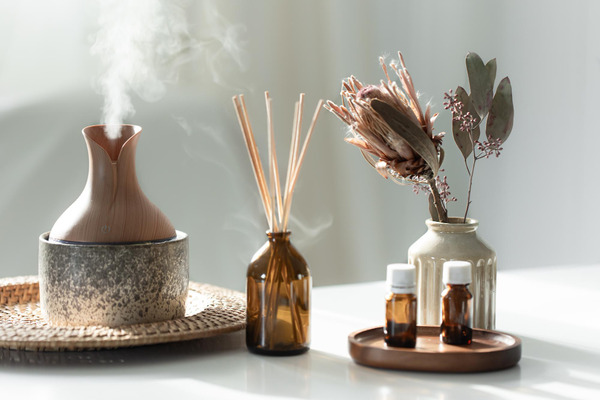
Some people walk out the door and take the atmosphere with them. Not because they sprayed too much, but because the scent they wear lingers in the air in a quiet, controlled way. It settles into couches, curtains, and memory. This is not about overpowering perfume. This is about choosing fragrances that behave well indoors and leave behind a clean, inviting trace that feels intentional.
A good personal scent can quietly shape how a space feels even after you are gone.
Why Personal Perfume Can Change a Room
When you move through a space, fragrance transfers naturally. Warmth, air circulation, fabric, and skin chemistry all play a role. Unlike candles or diffusers, personal perfume disperses gradually and unevenly, which makes it feel more natural.
The key difference is restraint. A perfume that smells great on skin but turns sharp in the air will ruin a room fast. The right fragrance softens as it diffuses, leaving behind a subtle background note instead of a heavy cloud.
Homes remember scent longer than people think.
What Makes a Perfume Linger in a Good Way
Not all longevity is equal. A scent that lasts on skin for ten hours does not automatically smell good in a room.
Balanced projection
You want a fragrance that projects softly for the first hour, then settles close to the skin. This creates a trail without saturating the space.
Clean base notes
Musks, light woods, and skin like accords tend to age better in the air. Heavy sugar, dense spice, and thick amber often become stale indoors.
Smooth dry down
The dry down is what remains in the room. If the final phase smells clean, warm, or lightly woody, the space benefits.
Perfume that smells chaotic at the end should stay out of shared spaces.
The Scents That Make a House Feel Welcoming
Certain fragrance profiles consistently leave homes smelling better rather than louder.
Soft woods bring warmth without heaviness. Think cedar, sandalwood, or clean vetiver.
Fresh musks create a laundry clean impression without smelling like detergent.
Citrus works when grounded by woods or herbs. Pure citrus fades too fast or turns sour.
Aromatic notes like sage, lavender, or basil add an airy, lived in feel that reads as calm.
These profiles blend into the background instead of demanding attention.
How You Apply Matters More Than You Think
Application technique decides whether a scent enhances a room or overwhelms it.
Avoid spraying near doorways or entry points. That traps fragrance where airflow is strongest.
Apply to skin, not clothing. Fabric holds scent longer and can amplify the wrong notes.
One to two sprays is enough indoors. The goal is presence, not announcement.
Neck and chest work better than wrists for leaving a soft trail through a space.
Less perfume creates a better memory.
Skin Chemistry and Indoor Air Are a Team
Indoor scent is not just about the perfume. Your skin chemistry affects how it disperses.
Dry skin pushes scent into the air faster. Moisturized skin holds it closer.
Warm bodies release fragrance more evenly than cold ones.
Movement spreads scent naturally. Sitting still concentrates it.
This is why the same perfume can feel cozy in one home and heavy in another.
Choosing a Signature That Works Everywhere
A true signature scent should feel right on skin and in shared spaces. It should smell good to you up close and pleasant to others from a distance.
This is where modern fragrance houses focused on clean compositions tend to shine. Many people gravitate toward blue atlas fragrances for this exact reason. The profiles lean fresh, balanced, and skin friendly, which makes them behave well both on the wearer and in the room they leave behind.
The goal is not trendiness. It is consistency.
Common Mistakes That Ruin the Effect
Overspraying is the fastest way to make a home smell bad.
Layering multiple strong products confuses the air. Soap, lotion, hair products, and perfume should not compete.
Wearing overly sweet or smoky scents indoors can linger in the wrong way, especially in smaller spaces.
Reapplying before leaving the house often backfires. The scent has not settled yet.
If people notice the perfume more than the room, it is too much.
Why This Matters More Than People Admit
Scent is tied directly to comfort and memory. Guests may not remember the furniture or decor, but they remember how a home felt.
A subtle lingering fragrance suggests care, cleanliness, and intention without saying a word.
It becomes part of how people describe the space, even if they cannot explain why.
The best compliment is when someone says the house smells good and cannot pinpoint why.
Let the Scent Exit Quietly
The strongest move is knowing when to stop.
Perfume that leaves a soft trace behind you creates presence without ego. It allows the space to breathe while still holding onto something familiar.
Choose fragrances that respect the room. Apply them with intention. Trust subtlety.
When done right, your scent becomes part of the home’s atmosphere long after you leave.
