

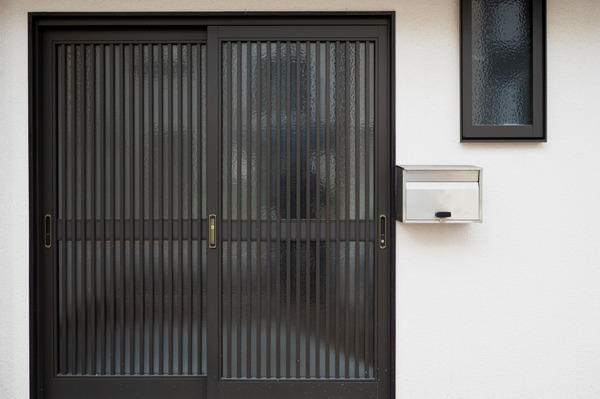
Security screens provide an added layer of protection for your home while allowing natural light and ventilation to flow through. However, like any home feature, they require regular maintenance to keep them working effectively and looking their best. Learning how to clean security screens properly is essential for extending the life of your security doors and windows.
Many Australian homeowners struggle with dust and dirt buildup on their security screens and doors, particularly in high-traffic areas or coastal regions where salt air can accelerate corrosion. The good news is that to clean and maintain security screens doesn’t require expensive products or professional help. With the right approach and simple steps, you can properly clean your security screens and keep your home safe and secure.
Why Regular Cleaning of Security Screens is Essential
Regular cleaning of your security screens is about more than just appearance. Security screen doors and windows work as a protective coating for your home, creating a strong and durable barrier that deters intruders while providing an extra layer of protection. When grime, salt deposits and buildup accumulate on the security screen mesh, they compromise visibility and airflow through your doors and windows.
In coastal areas, salt air causes deterioration and corrosion of the protective coating on aluminium security screens if left uncleaned. This makes regular maintenance particularly important for coastal properties. Cleaning security screens is essential to extend the life of your investment, and a consistent care routine prevents deterioration that can compromise their effectiveness.
Read more:
1. Crucial Home Maintenance Tips for Dry Summers
2. What are the 2 types of housekeeping?
3. Quiz: Poor housekeeping exposes workers to several types of hazards.
4. Different Types of Housekeeping Services That are Available Near You
What You’ll Need to Clean Your Security Screens
Before you begin cleaning your security screens, gather the right tools to avoid damaging the mesh or protective coating. Using abrasive cleaning tools or harsh chemicals can scratch the surface and compromise your security screens.
Essential supplies include a soft brush or soft-bristled brush for loosening dust and dirt, a vacuum cleaner with brush attachment for removing loose dirt, and a microfibre cloth or clean cloth for wiping. You’ll also need a broom for sweeping debris from around your security doors and windows.
For your cleaning solution, mix mild detergent with warm water in a bucket. This gentle mixture won’t harm the protective coating on security screen doors. Avoid harsh chemicals that can damage aluminium frames or the security screen mesh.
Step-by-Step Guide: How to Clean Security Screens
Follow these simple steps to properly clean security screens while they remain installed. This maintenance task becomes much easier when done regularly, preventing heavy buildup.
Step 1: Remove Loose Dirt and Debris
Start your care routine by removing loose particles before applying any wet cleaning solution. Use a soft brush or vacuum cleaner with brush attachment to gently remove loose dirt, dust and dirt from the security screen mesh. Work from top to bottom, allowing gravity to help carry debris downward.
Pay special attention to corners and edges where dust tends to accumulate. For screen doors, check the bottom track where dirt often collects. This dry cleaning step prevents you from spreading dirt around during wet cleaning.
Step 2: Prepare Your Cleaning Solution
Mix your cleaning solution using mild detergent with warm water. A ratio of roughly one tablespoon of detergent per litre of warm water provides adequate cleaning power. Avoid using products that contain bleach or ammonia, as these can damage the powder coating on aluminium security doors.
For coastal properties dealing with salt air deposits, you might add a small amount of white vinegar to help break down mineral buildup. Test your cleaning solution on a small area first, particularly if you’re unsure about your security screen material.
Step 3: Clean the Security Screen Mesh
Dip your soft cloth or microfibre cloth into the cleaning solution, wring it out well, and gently scrub the security screen mesh. Work in small sections using light circular motions to lift dirt effectively without putting excessive pressure on the mesh. The security screen mesh is designed to be strong, but aggressive scrubbing can distort the pattern over time.
For security screen doors in high-traffic areas with heavier soiling, you may need multiple passes. Reapply your cleaning solution as needed. If you encounter stubborn spots, let the solution sit for a few minutes before wiping again. Never use abrasive cleaning tools or steel wool, as these will scratch the mesh.
Step 4: Rinse and Dry Thoroughly
After cleaning the security screen mesh with your soapy solution, rinse thoroughly with clean water using a spray bottle or gentle garden hose. Take care not to use high water pressure, which could damage the mesh.
Thorough rinsing is critical because any remaining cleaning solution will attract dust and dirt. Once rinsed, use a dry clean cloth to gently pat the screen and remove excess water. Then allow the security screens to air dry completely before closing doors or windows. This prevents moisture from being trapped, which could lead to mould growth or corrosion on aluminium components.
Step 5: Clean Frames and Tracks
Don’t forget the frame and tracks when cleaning your security screens. These areas collect significant amounts of dirt that can interfere with smooth operation. Use your soft brush or vacuum cleaner to remove loose material from tracks.
Wipe down the frame with your mild detergent and warm water solution, paying particular attention to corners. For aluminium frames, this regular cleaning helps maintain the protective coating. After cleaning, lubricate moving parts with a silicone-based lubricant to ensure smooth operation, but avoid over-lubricating.
Inspect the frames while cleaning for any signs of damage, loose screws, or worn protective coating. Addressing issues promptly prevents small problems from becoming larger repairs.
How Often Should You Clean Security Screens?
The frequency of cleaning your security screens depends on your environment. As a general guideline, clean security screen doors and windows should receive thorough cleaning at least twice per year. However, certain conditions require more frequent attention.
Coastal properties exposed to salt air should clean security screens quarterly or even monthly during harsh weather periods. Salt deposits from ocean breezes accelerate corrosion if left to accumulate. High-traffic areas or homes near busy roads may also need more frequent cleaning due to increased dust exposure.
Between deep cleans, perform quick maintenance by wiping down your security screens with a clean cloth when you notice visible dust. This ongoing care routine prevents heavy buildup and keeps your windows and doors functioning smoothly. Security windows facing prevailing winds often accumulate debris faster and benefit from additional attention.
Additional Maintenance Tips for Security Screens
Beyond regular cleaning, proper maintenance helps ensure your security screens remain effective for years. When cleaning, inspect the entire screen for wear, damage or needed adjustments. Look for loose screws, damaged mesh sections or compromised protective coating.
Check that locking mechanisms function smoothly and that security screen doors close properly without gaps. If you notice issues during cleaning, address them promptly to keep your security screens providing maximum protection.
For patio enclosures or exposed outdoor areas, perform additional inspections after severe weather to remove debris and check for damage. Keep records of when you clean your security door and security screen doors and windows to establish an effective cleaning schedule.
Special Considerations for Coastal Properties
Australian coastal properties face unique challenges when it comes to maintaining security screens. Salt air, high humidity and strong coastal winds create conditions where security screens require extra attention to prevent corrosion.
For locations within 5 kilometres of the coast, implement a more aggressive cleaning schedule with quarterly inspections at minimum. Pay particular attention to removing all salt residue, which appears as white, powdery buildup on frames and mesh. The cleaning methods in this step-by-step guide effectively remove salt deposits when performed consistently.
Consider applying additional corrosion protection products after cleaning to create an extra layer of protection against salt air. Always verify products are compatible with your security screen material and won’t void warranties.
Protect Your Home with Clean, Well-Maintained Security Screens
Learning how to clean security screens properly is an investment in your home’s security and your family’s safety. Regular cleaning using these simple maintenance techniques keeps your security doors and windows functioning optimally while protecting against deterioration. Whether you’re dealing with everyday dust accumulation or challenging coastal conditions, a consistent care routine ensures your security screens continue providing an added layer of protection, natural light and ventilation for years to come.
Quality security screens from manufacturers who comply with Australian Standards deserve proper maintenance to extend the life of your investment. By following this step-by-step guide and maintaining a regular cleaning schedule, you ensure your security screen doors and windows remain strong, functional and ready to keep your home safe and secure through any weather conditions.
