
Natural wood finishes have always been a favourite in interior design, thanks to the way they bring warmth and a sense of sophistication into a room. There’s something about the gentle textures and earthy shades of wood that just makes a space feel instantly inviting and gives you that subtle connection with nature.
Trends may come and go, like yesterday’s wallpaper patterns, but timber holds its ground as a dependable choice, adapting easily to both classic and modern interiors.
Lately, there’s been a real surge in enthusiasm for natural wood in contemporary decor. People are searching for ways to bring a bit of the outdoors inside, using natural materials to make their homes feel lighter and more relaxed. Designers are noticing a move towards cooler stain colours too, offering a modern twist on this longtime staple.
The ongoing popularity of wood finishes says a lot about how easily they fit into changing tastes, cementing their place as a favourite among homeowners and design professionals alike.
Historical Significance and Timelessness of Wood
Wood has shaped architecture and interior design for centuries. Its story stretches back thousands of years, with the Hōryū-ji temple in Japan, built in 670 AD, standing as a remarkable example of its staying power.
Even as materials like concrete and plastics shifted the look of buildings in recent decades, wood has never lost its appeal. It stands apart for qualities that can’t quite be imitated: strength, comfort, and an inviting appearance.
You’ll find wood marking its presence through different design eras, sometimes as delicate wall panelling, other times as striking support beams. The material’s tactile qualities—the warmth of its surface, the grain under your hand—give a depth and authenticity that manufactured finishes can’t quite match.
Simply put, wood’s natural elegance and remarkable history ensure that it remains a defining element in interior design, shaping the spaces we live in generation after generation.
Why Timber Finishes Remain Popular
Aesthetic and Sensory Appeal
There’s a certain comfort that only wood brings to a room. The soft textures, gentle grain, and earthy tones instantly invite you in, helping any space feel warmer and more relaxed than cold stone or shiny metal ever could. This isn’t just about temperature—it’s about how wood radiates calm and makes a place feel like home.
What’s genuinely fascinating is that every piece of wood has its own visual story. The grain patterns are never the same, which means no two tables, panels, or shelves ever look identical. Yoko Kloeden points out that this gives rooms a sense of personality, almost as if the wood itself has memories. Touching a matte wooden surface or running your hand over untreated timber connects you to its natural past and brings a gentle sense of ease to the everyday.
Wood is also brilliantly flexible. It can be shaped into fluted panels for a bit of drama, bent into gentle curves, or used in simple, straight lines. This approach keeps interiors interesting and rich in character, while still ticking the box for practicality. All in all, wood’s appeal lies in the way it makes every room feel unique—each knot, line, and finish quietly adding to a home’s story.
Read more:
1. Modern German Kitchen Interior Design: Sleek and Minimalist Inspirations
2. Bringing Contemporary Style and Comfort into Your Home
Versatility in Design
Timber fits right in with an impressive range of design styles, from classic homes steeped in tradition to modern spaces with sharp lines and minimal fuss. In older homes, wood brings genuine warmth and character, with deep colours and carved details that make everything feel a little richer. If you prefer a cleaner, modern look, wood is just as happy in that setting, too. You can stain or paint it in fresh shades, so it slips easily into sleek spaces that love simple shapes and open layouts.
What helps wood stand out is how it works along with other materials. Team it with stone and you get a natural, rustic vibe – like a countryside cottage that feels both down-to-earth and polished. Bring in a bit of metal and suddenly you’ve landed in a room with modern confidence and an interesting edge. The gentle grain and surface of wood stop stone from feeling too cold and hard, while with metal, wood brings a softer touch that saves the space from looking too chilly or severe.
This knack for blending in, while always adding a bit of its own charm, keeps timber high on the favourites list, no matter how tastes shift or interiors change.
Timber Finishes and Interior Elements
Flooring
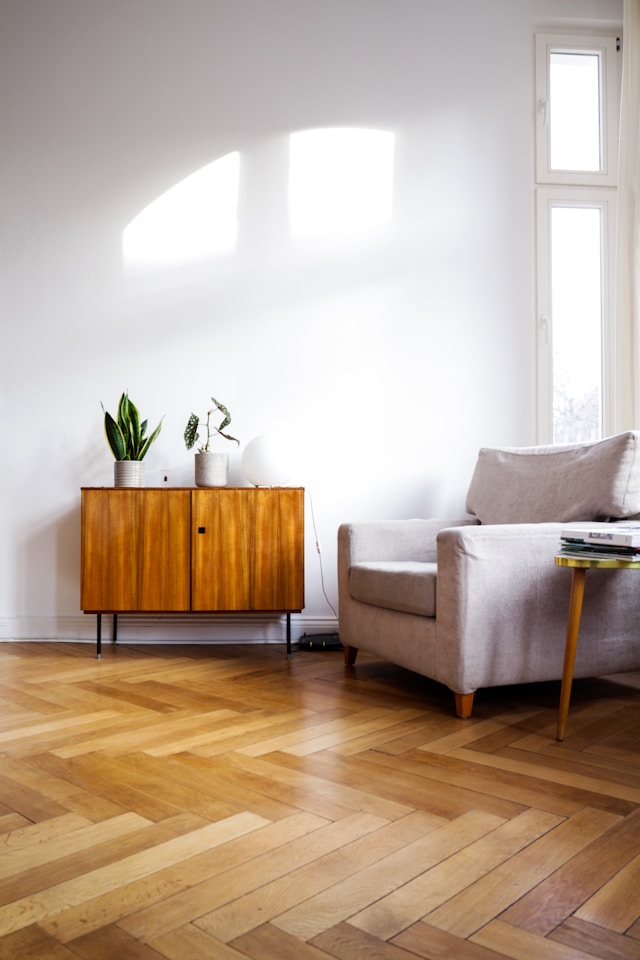
Hardwood floors have a knack for making a house feel grounded and effortlessly stylish, year after year. Unlike paint colours or curtains that might get swapped out on a whim, your flooring is here for the long haul, quietly shaping the look and feel of your home.
Withstands muddy boots, pets darting about, or the endless shuffle of everyday life, yet somehow never loses its charm. That’s what makes hardwood so appealing—you get lasting strength, and it never feels at odds with a new sofa or a freshly painted wall.
Oak, maple, hickory, and walnut are all favourites for good reason. Oak’s distinct grain brings character to any space and happily takes on just about any stain you throw at it. Maple delivers a gentler look with soft, pale tones, perfect if you like things light and open. Hickory is all about movement and rustic character, while walnut brings a rich, polished feel that suits both classic and more refined rooms.
No matter which species you select, all offer a blend of good looks and practical durability, adapting as your tastes shift over time. That’s the real beauty of hardwood: it continues to look right at home, even as life (and your style pendulum) swings from one trend to another.
Wall Panelling and Partitions
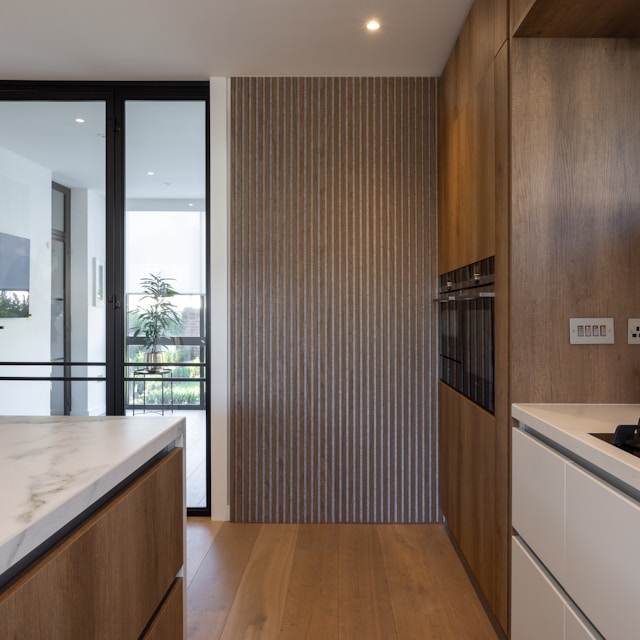
Wood panelling is having a real moment in modern interiors, breathing new life into spaces while giving a nod to tradition. The warmth and character of natural wood are being celebrated once again, as more designers leave it exposed rather than reaching for the paintbrush. Products such as Glosswood Architectural Timber showcase the unique grain and texture of wood, adding a quiet sense of sophistication and instantly making a room feel more inviting.
Panelling isn’t just about covering a wall halfway up anymore. Floor-to-ceiling panels are becoming statements in their own right, creating a focal point that adds depth and draws the eye, especially when used as a backdrop for art. These features work beautifully in upscale homes, where they bring together comfort and style without feeling fussy or overdone.
Wood isn’t limited to walls either—architectural partitions are also making their mark. Instead of solid barriers that shut off space, wooden slats and screens gently zone open-plan layouts. They let light filter through, keep things airy, and help a space feel connected, but with just enough separation for privacy or focus.
This renewed focus on wood isn’t just about looks. Designers like Yoko Kloeden highlight how wood appeals to all the senses, from the calming scent and gentle touch to the unique visual patterns in every piece. No two panels are ever quite the same. Whether it’s forming the backdrop to your favourite painting or softly dividing your living areas, wood lifts interiors by balancing practicality and beauty, making it a favourite for designers and homeowners alike.
Contemporary Application of Timber in Interior Design
Contemporary designers are using timber to achieve a clean, understated style while giving rooms real character. By blending the crisp lines of modern design with subtle nods to the past, they use wood not only for its practical benefits but for the comforting atmosphere it brings. Yoko Kloeden, for example, often introduces sleek wooden screens and vertical slats that gently divide rooms, keeping spaces airy and bright. These methods let light and air move freely, making homes feel peaceful yet far from bland. Her work shows that timber can add definition without overpowering the space, and a few well-chosen wooden features can transform a flat interior into something memorable.
Rather than copy traditional woodwork, designers study those classic uses and rework them with a modern eye. Their aim isn’t to replicate the past, but to find what made those old designs so special and translate that feeling into today’s homes. For instance, in one London project, Kloeden used oak in a way that quietly nodded to Japanese heritage, giving the house warmth and subtle character without feeling old-fashioned.
The outcome is more than decoration. Timber becomes a link between styles and eras, wrapping up comfort, culture, and function in one material. By mixing the best of tradition with the freshness of modern design, timber keeps proving that it’s the go-to for interiors that want depth, emotion, and lasting appeal.
Sustainability and Eco-friendliness of Timber
Using wood from local sources is a smart, green choice for any design project. It cuts down the carbon emissions linked to hauling materials across long distances and gives a boost to the local economy at the same time. Plus, local timber often lasts longer in your home because it’s already suited to the climate nearby. That means your furniture or panelling isn’t just stylish—it’s long-lasting too.
Natural wood finishes score even more points for being environmentally friendly. Unlike synthetic versions, which rely on petroleum and can let off chemicals that pollute the air and pose health risks, natural oils and waxes come from renewable sources and produce fewer toxins. That helps keep your home’s air cleaner—a real win if you’re trying to keep things healthy indoors.
Choosing natural wood is a genuine step towards a more sustainable lifestyle. It lessens our dependence on plastics and harsh chemicals and supports products that break down naturally over time. All in all, it makes homes friendlier to people and the planet, while still putting good design front and centre.
