

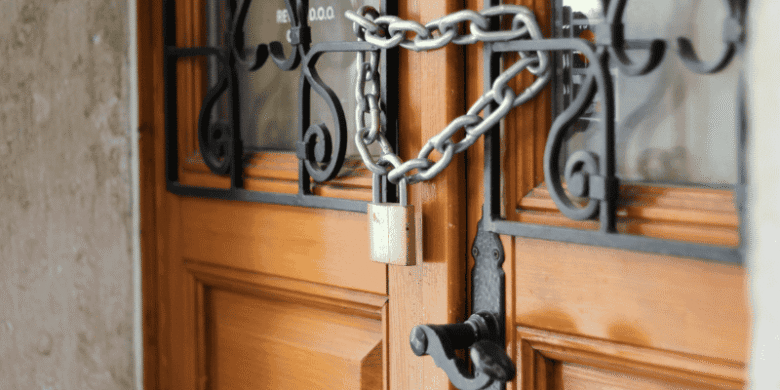
Security is essential for any home because it protects against intruders and provides comfort and peace of mind. It can seem overwhelming due to the numerous options available. With some planning, it’s easier than you may think. Here are the best ways to fortify your home against every security weakness.
Read more :
1. How Does Buying a Home Security System Protect Your Home?
2. How Can You Protect Your Jewelry From Theft at Home?
3. Get the Most Out of Your Security System: Integrations, Add-Ons, and Automation
4. Why Wrap Aluminum Foil Around Doorknob When Alone at Home?
1. Start with Security Landscaping
To ensure your home is free from every security weakness, it’s essential to take a step back and conduct a thorough spot check. The foundation of a secure home doesn’t begin at the door — it begins outside.
This act of using landscape design to your advantage includes eliminating potential hiding spots and naturally creating a path to guide visitors to the door. It’s used in many architectural practices, particularly focusing on the garden areas of the home to improve security. Think planting shrubbery in front of windows to prevent easy viewing into a home or using a gate to force people to enter a residence through a single entry point.
To maximize the security benefits of landscaping, apply CPTED (Crime Prevention Through Environmental Design) principles to plantings. Keep shrubs under 3 feet and raise tree canopies above 7 feet to maintain clear sightlines. Use low, thorny bushes beneath ground-floor windows as a natural deterrent, and create clear, well-defined pathways to guide visitors to the front door.
2. Layer Lighting Like a Pro
Lighting helps maximize the security of your home. A well-lit house is a less attractive target for trespassers or thieves, but basic motion detector lighting may not be enough to deter them. Consider a multi-layered lighting scheme that enhances the security and safety of your home, while also highlighting its architectural features.
For example, use soft ambient lighting along the garden pathway, task lighting for doorways and accent lighting to highlight specific features, such as trees. Ensure that you eliminate any dark zones around your property.
This will keep your home looking great and increase security — a well-lit front entrance welcomes guests and deters potential threats. Consider using smart, programmable lighting to create a lived-in appearance when you’re away.
3. Make Entryways Elegant and Strong
To fortify your home, ensure that entry points are secure. Consider the front door, patio doors, garage and windows. By using materials and hardware that offer robust protection while complementing your home’s design, you can enjoy improved security and a beautiful appearance.
For instance, install high-quality deadbolt locks and opt for solid-core or metal doors over hollow-core doors. Consider stylish, modern windows with features like impact-resistant glass or discreet security film. Ensure robust window locks that are inaccessible from the outside, which helps deter opportunistic thieves who might break a window to gain entry.
The garage door is likely the largest entry point for both residents and intruders, so ensure it shuts securely by keeping the sensors clear and promptly repairing any broken components. For advanced security, consider installing a smart garage door that enables remote monitoring and control.
5. Install Visible and Invisible Smart Tech
Along with visible security technology, such as cameras and alarm systems, invisible applications can also be great for deterring intruders. This hybrid approach is often considered the best practice — obvious security measures can deter unwanted visitors, and discreet surveillance offers an additional layer that is less susceptible to tampering.
To make your security features invisible, consider systems that integrate within your home’s environment. This reduces visual clutter, enhances the appearance of your home, and improves its usability and functionality.
Specific invisible security technology includes window and door sensors hidden from view, all-in-one smart hubs that control lighting, and cameras placed in effective yet discreet locations. Depending on the specific appliance, features may include remote viewing, motion detection, two-way audio and night vision. Any of these devices can provide an extra layer of security to your home.
Fortify Your Home Today
Fortifying your home against security weaknesses can seem daunting at first, but breaking the process into clear steps makes it much easier. There is no one-size-fits-all approach, but many practical methods can improve your home’s safety. From designing outdoor spaces to deter intruders and utilizing smart technology to secure your garage door, there are numerous ways to enhance your home’s security.
