

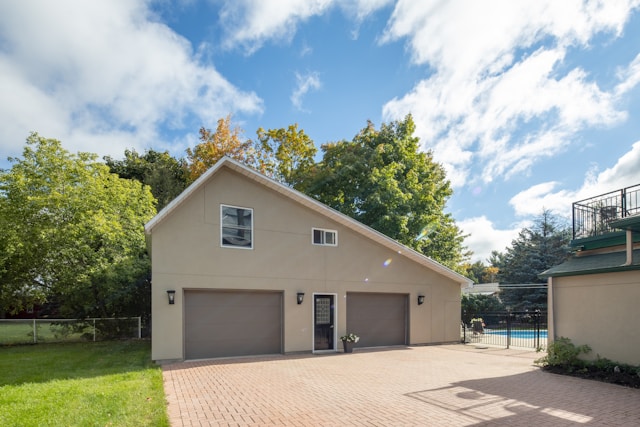
Seasonal weather changes stress your garage door in different ways all year long. Cold winters shrink metal parts and freeze tracks. Humid summers swell wood panels and slow down sensors. Binghamton homeowners face both extremes, sometimes in the same week. This guide breaks down what each season does to your door and how to keep it working right. It also covers why calling for garage door repair Binghamton residents trust matters more here than in milder climates.
Binghamton sits in a valley where cold air pools and temperatures swing fast between seasons. The area gets close to 50 inches of snow a year, and winter lows drop well below freezing for weeks at a time. That kind of weather wears down garage door parts faster than people expect. A trusted local team that installs and repairs garage doors in the Binghamton area sees these seasonal problems every year, and knowing what to watch for can save you a costly breakdown.
Why Weather Matters So Much for Garage Doors
A garage door is the largest moving part of most homes. It has metal tracks, springs, rollers, and often a wood or steel panel exposed to outside air on one side. Temperature swings make metal expand and contract. Moisture rusts hardware and rots wood. Wind pressure strains the frame. Small shifts in weather add up over a full year and shorten the life of your door.
Read more:
1. Old Genie Garage Door Opener, No Learn Button: Where is it?
2. 7 Most Common Garage Door Problems and Quick Solutions
Winter: Cold, Ice, and Snow
Winter hits garage doors the hardest in this region. Binghamton’s coldest stretch runs through January, with average highs near 32°F and lows around 18°F on many days, based on National Weather Service climate normals. Below freezing, steel contracts and metal tracks tighten. This slows the door and puts extra strain on the opener motor.
Common Winter Problems
- Ice buildup along the bottom seal, which keeps the door from closing fully
- Frozen rollers and hinges that squeak or stick
- Brittle springs that snap in cold weather, since metal grows more rigid at low temperatures
- Weakened battery backup systems in openers, since cold drains battery power fast
What to Do
Clear snow and ice from the track and threshold after every storm. Apply a silicone-based lubricant to rollers, hinges, and springs before deep winter sets in. Check the weather seal at the base of the door and replace it if it feels stiff or cracked. A door that struggles to close in cold weather usually needs a spring adjustment, not a full replacement.
Spring: Rain, Melt, and Flooding
Spring in Binghamton brings snowmelt and heavy rain, sometimes at the same time. Standing water near the garage door track leads to rust on tracks, hinges, and bottom brackets. Moisture also swells wood panels, making them harder to open and close smoothly.
Signs of Spring Damage
- Rust spots on tracks or hardware
- A door that drags or sticks at the bottom
- Warped wood panels on older doors
- Water stains inside the garage near the door frame
Grade the ground outside your garage so water flows away from the door. Wipe down tracks after storms and touch up any rust spots quickly, before they spread.
Summer: Heat and Humidity
Summer heat expands metal and softens weatherstripping. Binghamton summers run warm, with temperatures reaching into the high 70s and low 80s during July, and the area sees a wide annual swing from around 19°F to 80°F. That swing is part of what makes local garage doors age faster than doors in milder states.
Heat-Related Issues
- Panels that expand slightly and rub against the frame
- Sensors that misread due to heat shimmer or direct sun
- Openers that overheat and shut down mid-cycle
Test your door’s balance in warm weather by disconnecting the opener and lifting the door by hand. A properly balanced door stays in place at waist height. If it falls or rises on its own, the springs need adjustment.
Fall: Wind and Temperature Swings
Fall brings the sharpest daily temperature swings of the year in this region, along with strong wind gusts ahead of storm fronts. Sudden shifts stress metal joints and seals right before winter arrives. This makes fall the best time for a full inspection, since small issues found now avoid bigger repairs once the cold sets in.
Seasonal Garage Door Maintenance Table
| Season | Main Risk | Quick Fix | Best Time to Inspect |
| Winter | Frozen tracks, brittle springs | Lubricate parts, clear ice | Early December |
| Spring | Rust, water damage | Grade soil, wipe tracks | Late March |
| Summer | Panel expansion, sensor issues | Check balance, clean sensors | Mid June |
| Fall | Wind stress, sudden cold snaps | Full inspection, tighten hardware | Late September |
Simple Habits That Protect Your Door All Year
Regular care matters more than any single repair. A few habits keep the whole system working smoothly across every season.
Monthly Checks
Look over cables, springs, and rollers once a month. Listen for grinding or scraping sounds during operation.
Seasonal Lubrication
Apply lubricant every three months, timed close to each season change described above.
Weather Seal Replacement
Swap out the bottom seal once a year, or sooner if it looks cracked or flattened.
I have seen homeowners skip these small steps for years and then face a spring snapped off in mid-January, right during a cold snap. A five-minute check each month costs far less than an emergency call on the coldest night of the year.
When to Call a Professional
Some fixes suit a homeowner with basic tools. A frozen track or dirty sensor falls into that group. Spring replacement, opener repair, and frame damage need a trained technician, since garage door springs hold enough tension to cause serious injury. Anyone searching for garage door repair Binghamton services should look for a company with local experience, since local techs know exactly how this region’s freeze-thaw cycle wears down doors differently than warmer states.
Frequently Asked Questions
Does cold weather really damage garage door springs?
Yes. Metal contracts in cold air, and springs lose some flexibility below freezing. A spring already near the end of its life often fails in winter rather than in warmer months.
Why does my garage door open slower in winter?
Cold thickens lubricant and stiffens metal parts. Fresh silicone lubricant applied before winter keeps the door moving at normal speed.
Can humidity really warp a wood garage door?
Yes. Wood absorbs moisture from humid air and expands. Steel and fiberglass doors resist this problem far better in a climate with big seasonal swings like Binghamton’s.
How often should I schedule garage door maintenance in Binghamton?
A check each season, four times a year, catches most issues before they turn into a full breakdown. Winter and fall deserve the closest attention here, given the freeze and wind stress this region sees.
Is it worth upgrading to a cold-weather rated garage door?
For homes in this climate, yes. Insulated doors handle temperature swings better and reduce strain on springs and openers over time, which lowers long-term repair costs.
Binghamton’s weather asks a lot of a garage door every year. Snow, ice, rain, heat, and wind each leave their mark in different months. Regular care, paired with quick attention to warning signs, keeps a door running for years past its expected lifespan. A door that gets seasonal attention rarely needs an emergency fix, and that alone makes the small effort worth it.
