

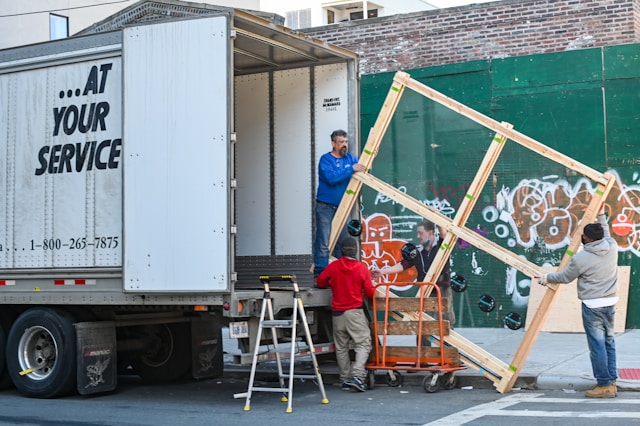
Famous artists hire trusted movers through specialized fine art shipping firms, not regular moving companies. These firms handle climate control, custom crating, and insurance paperwork. A single painting can cost more than a house. One wrong turn during transport can destroy years of work.
The global art market hit $59.6 billion in sales in 2025, a 4% jump from the year before, according to the Art Basel and UBS Global Art Market Report. Pieces priced above $1 million made up less than 1% of auction lots but accounted for 54% of total value. That kind of money changes how artwork travels.
This article breaks down the real process. It covers who artists call, what these movers actually do, and how much the work costs. Readers get a clear picture of an industry most people never think about.
Read more:
1. The Overlooked Decisions That Shape a Successful Move
2. Budgeting for a Move Without the Surprise Costs
Why Regular Movers Cannot Handle Fine Art
A standard moving truck works for furniture and boxes. It fails for a Basquiat or a Rothko.
Temperature swings crack old paint layers. Humidity warps canvas and wood panels. Vibration loosens frames and shifts pigment on fragile surfaces. General movers rarely train for these risks.
Fine art requires climate-controlled trucks, custom foam crates, and handlers trained in conservation basics. Regular movers skip these steps because their business model depends on speed and volume, not precision.
Read more:
1. The Overlooked Decisions That Shape a Successful Move
2. How Do You Choose Reliable Furniture Movers for Your Next Move?
3. Useful Tips for a Smooth and Easy Move
The Financial Stakes
Insurance data shows why artists refuse to gamble on cheap transport. The fine art insurance market reached roughly $3.24 billion in 2025 and keeps growing at a 4.7% yearly rate, based on industry market research. Insurers now demand proof of specialized handling before covering pieces worth more than $5 million, according to a fine art shipping market report.
That single requirement forces artists and collectors toward trusted movers with documented credentials. Skip that step, and coverage disappears the moment something goes wrong.
How Famous Artists Find Trusted Movers
Artists rarely search online and pick the first company they see. Galleries, auction houses, and art advisors usually make the introduction.
Referrals From Galleries and Dealers
Most working artists sign with a gallery once their career gains traction. That gallery already has relationships with fine art logistics firms. The artist gets connected through that existing network.
This matters because trust builds slowly in this industry. A gallery will not risk its reputation on an unproven shipping company.
Insurance Requirements Shape the Choice
Insurance companies often maintain approved vendor lists. Artists and collectors pick from these lists to keep their coverage valid. This practice narrows the field to firms that meet strict handling standards.
Word of Mouth in Art Circles
Artists talk to each other. A painter who just had a smooth cross-country shipment will pass that mover’s name along. Bad experiences spread just as fast, and a firm can lose business quickly after one damaged crate.
What Fine Art Movers Actually Do
The job goes far beyond loading a truck. Here is a breakdown of standard services.
| Service | Purpose |
| Custom crating | Builds foam-lined wood crates sized for each piece |
| Climate-controlled transport | Keeps temperature and humidity stable during transit |
| Condition reporting | Documents the artwork’s state before and after the move |
| White-glove handling | Trained staff move pieces without gloves that snag or tools that scratch |
| Customs clearance | Manages paperwork for international shipments |
| Installation service | Hangs or places the piece at its final destination |
Custom Crating and Packing
Every artwork gets measured before a crate is built. Standard boxes never fit properly, and gaps let pieces shift during transport. A well-built crate absorbs shock and keeps humidity out.
Condition Reports
Movers photograph and document every mark on a piece before pickup. This report protects both the mover and the artist if a dispute happens later. Insurance claims depend heavily on this documentation.
Climate Control
Trucks and storage units hold temperature between 65 and 75 degrees Fahrenheit, with humidity kept near 50%. Sculptures made of bronze or stone tolerate more variation than oil paintings or works on paper.
Contemporary Examples From the Art World
Major auction houses like Christie’s have poured money into logistics technology. The firm invested $45 million into digital tracking systems that give real-time visibility during shipment, according to a fine art shipping services market report.
Online art sales are approaching $18 billion globally, per a shipping cost analysis for 2025. More art moves across borders than ever, and buyers expect the same care a museum would give a piece worth millions.
IATA certification now applies to air transport of fine art. Only 315 logistics firms worldwide hold this certification, based on the same industry report. That number shows how small and specialized this field remains, despite its growing dollar value.
Cost Breakdown for Fine Art Shipping
Prices depend heavily on distance, value, and fragility. Baseline shipping rates rose between 5% and 26% in 2025 and 2026, according to the same cost guide.
A $500 painting can share space in a consolidated shipment. A $50,000 piece often needs dedicated air transport and a private courier riding alongside it. The cost difference reflects the risk difference, not just the size of the artwork.
Insurance Premiums Keep Rising
Insurance premiums for fine art shipments climbed 16.8% in recent years, per the fine art shipping market report. Regulatory compliance costs rose 24.6% between 2020 and 2025. Artists pay more today for the same protection they got five years ago.
My Take on This Industry
I find it striking how little the public knows about this side of the art world. People see a painting hanging in a gallery and never think about the truck, the crate, or the person who checked the humidity levels along the way.
Artists who protect their work through trusted movers understand something simple: reputation and value depend on more than talent. A masterpiece damaged in transit loses its story, no matter how skilled the shipping crew tries to fix it afterward.
Smaller artists deserve access to this same level of care, not just million-dollar names. Prices remain a real barrier, and that gap between elite protection and everyday reality feels worth watching as the market grows.
Frequently Asked Questions
Do famous artists pack their own artwork?
No. Most rely on trained specialists who use custom crates and climate-controlled vehicles built for fragile pieces.
How much does it cost to ship a painting internationally?
Costs vary widely based on size, value, and destination. A small piece might cost a few hundred dollars, while a museum-grade painting can run into the thousands once insurance and customs fees get added.
What happens if artwork gets damaged during shipping?
Condition reports taken before pickup help settle insurance claims. Reputable movers carry liability coverage separate from the artist’s own policy.
Why do insurers require proof of professional handling?
Poor packing causes most transit damage claims. Insurers reduce their own risk by approving only vetted, trusted movers for high-value pieces.
Final Thought
Fine art shipping sits at the intersection of craftsmanship and logistics. Famous artists protect their work by choosing trusted movers with proven track records, not the cheapest option nearby. As art sales keep climbing past $59 billion a year, that choice matters more than most collectors realize.