

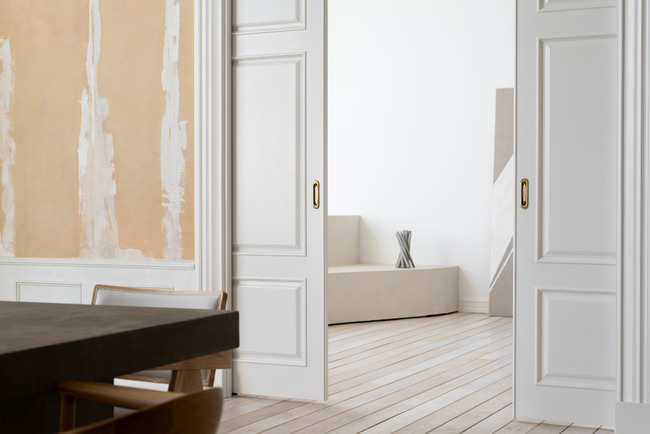
Most people plan a renovation around the things they can point to. New flooring, a repainted kitchen, a bathroom that finally works. Windows and doors tend to sit lower on the list, treated as replacements rather than choices. That changes the moment you live with the result. The frames around your rooms shape how light moves, how quiet the house feels, and how much you spend heating it every winter.
If you are already pulling a house apart, this is the one part worth slowing down for, and it is why more homeowners are looking at custom windows and doors instead of grabbing whatever the local hardware shop stocks in standard sizes.
The gap between off the shelf and made to measure is bigger than a price tag suggests. Here is what actually shifts once you go custom during a renovation.
Your house stops fighting the frame
Older homes rarely have square openings. Walls settle, timber moves, and a hundred year old wall is almost never the neat rectangle a factory window expects. When you buy a standard unit, the installer fills the difference with packers and foam, and that gap is where problems start. Air sneaks through. Water finds a path. The window looks fine on day one and rattles by year three.
A custom unit is built to the opening you actually have. The measurements come from your wall, not from a catalogue rounding up to the nearest common size. That single fact removes most of the awkward workarounds that make cheap installs fail early. You get a tighter seal because the frame was made to sit there, not forced to.
Light behaves the way you want it to
During a renovation you get a rare chance to rethink where light comes in. You can widen an opening, drop a sill lower, or add a run of glass along a wall that was solid before. Standard sizing limits how far you can push this. You end up designing the room around what the shop sells.
Going custom flips that. You decide the proportions, and the glass follows. A kitchen that felt dim in the afternoon can catch the last of the day. A north facing room can pull in more soft light without turning into a greenhouse. This is the part homeowners underrate most, because you cannot really feel it until you are standing in the finished room watching the light land where you wanted it.
The comfort you cannot see
The best argument for custom is one nobody notices on a tour of the house. It is the quiet. It is the fact that the room near the road no longer carries traffic noise into your evenings. It is a hallway that holds its warmth instead of bleeding it out through a badly fitted back door.
Good frames, properly glazed and properly sealed, do the heavy lifting here. Double or triple glazing, the right spacer bars, a frame material suited to your climate, all of it adds up to a home that stays comfortable with less effort. You run the heating less in winter and the house does not turn into an oven in summer. Over a few years the energy saving is real money, but the daily payoff is simpler. The house just feels better to be in.
Materials you actually get to choose
Standard ranges give you a short menu. Custom opens the whole kitchen. Aluminium for slim sightlines and strength on big spans. Timber where you want warmth and a traditional look. Composite frames that mix materials to balance cost and performance. You can match the finish to the age of the house or push it in a modern direction if that is the plan.
This matters more on a renovation than a new build, because you are working with an existing character. A Victorian terrace and a coastal bungalow do not want the same window, and a custom approach lets each one keep its personality instead of wearing the same white plastic frame every other house on the street already has.
Fewer surprises down the line
Cheap replacements often carry a hidden cost. Seals that go early, hardware that feels flimsy, a finish that fades after a couple of summers. When you commission custom units from a proper manufacturer, the components tend to be better and the whole thing is built to last through the years you plan to stay.
There is also the fit itself. A door that was measured for its exact opening closes cleanly every time, without the drag or the gap at the bottom that lets a draught in. Small things, but they are the things you touch every single day.
Planning it into the renovation, not after
The mistake is treating windows and doors as a late decision. By the time the walls are patched and the painters are booked, your options have narrowed. The smart move is to lock in the openings early, while the structure is still exposed and changes are cheap. That is when you can move a doorway, enlarge a window, or add one where there was none.
Talk to your builder and your supplier at the same stage. Custom units usually have a lead time, so ordering early keeps them from becoming the thing that holds up the whole job. A good manufacturer will guide the sizing and the glazing choices based on how each room faces and how you use it.
The takeaway
A renovation is the one window, quite literally, where you can get this right without tearing anything apart again later. Custom does cost more up front than the standard alternative. What you buy with that difference is a house that fits together properly: warmer, quieter, brighter, and built around how you actually live rather than what happened to be in stock. Years after the dust settles, it is the part of the project you stop thinking about, which is exactly the point. It just works.
