

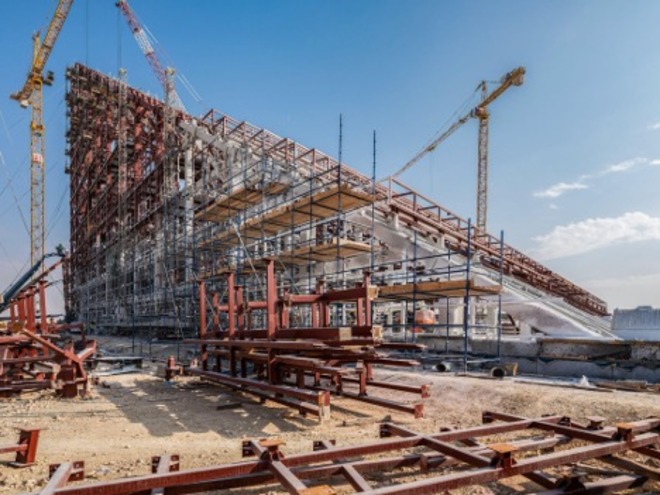
It is rare that delays in construction projects happen as a result of a dramatic incident. More often, many small factors lead to the accumulation of these delays. Missing permits, late material deliveries, incomplete drawings, and communication issues between the subcontractors – they all can gradually delay a project and push it off the schedule. Once delays affect a project on several fronts of construction, it will become harder and harder to reclaim the time spent.
Good construction projects take care of these problems from the very beginning of the planning process. Successful project management teams know that scheduling goes beyond assigning completion dates to the activities of construction. It includes planning of people, materials, inspections, equipment, and decision-making in such a way that each step in the process builds up to the next step. Planning viewed as a constant process gives way to successful project performance, as it keeps projects on time while ensuring high quality of work and cost control.
Effective Pre-construction Planning Provides A Strong Basis
There are a lot of scheduling problems that come from actions taken before the equipment is delivered to the construction site. Site evaluation, permitting, budgeting, procurement strategies, and design coordination all determine how successfully and efficiently the construction process will go when the work begins.
Businesses and property owners looking for an experienced partner for their commercial construction usually seek for the companies that pay a lot of attention to pre-construction planning. By addressing constructability issues, scheduling milestones, material availability, and other planning issues from the very beginning, projects have an opportunity to move into construction without too many disruptions and uncertainties.
Pre-construction planning also gives an opportunity to set realistic expectations. Understanding of risks prior to construction helps a lot in dealing with them in case they emerge during the course of the project.
Communication Ensures Progress Of Every Project Phase
Construction projects involve many different people who collaborate for the same purpose. Architects, engineers, project managers, subcontractors, suppliers, and inspectors all participate in construction work. Without regular and consistent communication, even the best-planned schedule becomes outdated quite fast.
Regular project meetings help teams review the progress, discuss what activities are coming soon, what challenges are arising, and what questions can be solved before they negatively influence other activities. Open communication makes it less likely that some delay would affect many other tasks.
According to the U.S. General Services Administration, construction projects benefit from integrated planning, coordination of communication, and proactive management.
Open communication makes participants clear about the responsibilities, deadlines, and ways how their activities impact the general project schedule.
Procurement Of Materials Should Be Started Earlier Than People Think
The best-managed construction project can face serious difficulties in maintaining its progress if it does not get the needed materials in time.
The lead times for structural steel, mechanical equipment, electrical materials, specialty finishes, and custom building products can differ greatly depending on market conditions. Starting the procurement of materials close to the start of the installation can result in delays of many phases of the construction.
Good construction project management teams identify the long-lead materials in the planning phase and plan the procurement process according to construction activities. It reduces the risk of unnecessary delays while giving an opportunity to react to changes in the supply chain.
Delivery monitoring is as important as procurement planning. Regular coordination with suppliers helps to identify possible problems in time and adjust the schedules before any significant delays emerge.
Procurement Of Materials Should Be Started Earlier Than People Think
The best-managed construction project can face serious difficulties in maintaining its progress if it does not get the needed materials in time.
The lead times for structural steel, mechanical equipment, electrical materials, specialty finishes, and custom building products can differ greatly depending on market conditions. Starting the procurement of materials close to the start of the installation can result in delays of many phases of the construction.
Good construction project management teams identify the long-lead materials in the planning phase and plan the procurement process according to construction activities. It reduces the risk of unnecessary delays while giving an opportunity to react to changes in the supply chain.
Delivery monitoring is as important as procurement planning. Regular coordination with suppliers helps to identify possible problems in time and adjust the schedules before any significant delays emerge.
Scheduling Needs Continuous Monitoring
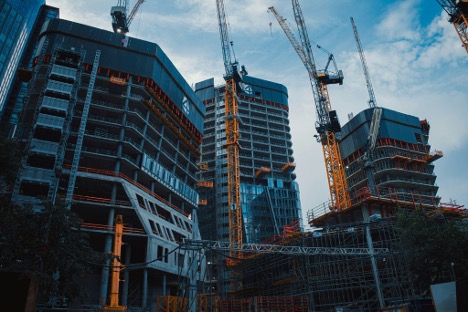
Any construction schedule should not be static.
As the construction work goes on, conditions can change. Unexpected weather events, design changes, inspection timing, availability of the workers, and other unpredictable situations can change the time frames of the construction project. Rather than viewing these changes as some kind of obstacles, good project managers constantly monitor the progress against the schedule, and make necessary adjustments.
Regular updating of schedule helps teams to detect small deviations that may turn into big delays. Project managers can reallocate resources, change the sequence of the activities, or add additional coordination while there is still enough time to reach the general project objectives.
Also, regular reviews of construction schedules help in decision-making because owners have updated information about the progress of their projects.
Good Leadership Helps With Coordination
The construction schedule depends on software and other documents, but good leadership is equally important.
Project managers coordinate the activities of several trades, solve conflicts, control the budget, communicate with the stakeholders, and keep their focus on the overall project objectives. Their ability to anticipate challenges and encourage collaboration can play a critical role in successful and efficient progress of the project in case something changes.
Good leadership also helps to create an atmosphere of responsibility among the participants of the project. All the participants know their responsibilities, deadlines, and ways how their activities influence other people. It improves collaboration.
Instead of reacting to the problems, good leaders anticipate them and find ways to prevent them from happening.
Flexibility Helps Projects To Proceed Efficiently
Any construction project follows its initial plan only for a short period of time. The site conditions change, priorities of the customer change, and sometimes unexpected situations force teams to change something.
Successful project management teams know that flexibility is not a sign of bad planning, but an important part of project management. Sufficient contingency in the schedules, open communication, and alternative solutions help teams to react to any challenge.
Flexibility also improves the cooperation between the owner, designers, and contractors. All the parties make decisions faster because they know the general goals of the project rather than just their parts of work.
Construction projects which can adapt to changing conditions efficiently do not have as many disruptions as projects that try to stick to outdated schedules.
Successful Projects Are Result Of Good Planning
Construction schedules are the result of thousands of coordinated decisions rather than one planning document. Thorough pre-construction preparation, good communication, early procurement, schedule monitoring, good leadership, and flexibility are all the factors that determine successful project completion.
Though no team can avoid unexpected challenges, good planning helps a lot in dealing with them. Businesses and property owners benefit from the construction partners that give priority to organization and project management.
When project teams view planning as a constant process rather than a single milestone, construction projects are more likely to stay on schedule, remain under cost control, and meet the expectations of the owners in terms of quality.
Technology Helps Teams To See Problems Early Enough To Prevent Them
Nowadays, modern construction projects make use of the latest technologies that help with scheduling, coordination, and progress monitoring. Project management platforms, cloud-based document sharing, drone inspections, and Building Information Modeling (BIM) make it possible for the project teams to have up-to-date information instantly. There is no need to rely on outdated drawings and incomplete updates.
Also, technologies help with cooperation between the owner, designers, contractors, and subcontractors because they make communication faster and clearer. Instead of finding out about the scheduling issues, design clashes, and procurement problems during the work, teams can discover them earlier. Technology adds to the good planning and project management as another helpful tool in keeping construction projects on schedule and maintaining their quality.