

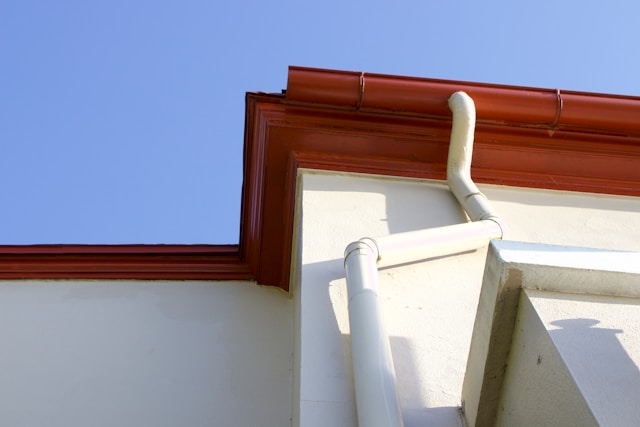
Your gutter system works quietly in the background, protecting your roof, siding, foundation, and landscaping every time it rains. Because gutters are constantly exposed to changing weather conditions, they naturally experience wear over the years. Small issues may seem harmless at first, but delaying repairs often allows minor damage to become much more expensive structural problems.
Homeowners throughout Connecticut and Westchester County often rely on experienced companies to inspect and repair gutter systems before small defects turn into major repairs. Addressing problems early can extend the life of the gutters while helping protect the entire home from unnecessary water damage.
Read more: 10 Effective Design Ideas for Your Gutter Drainage Systems
Why Timely Gutter Repairs Matter
Many people don’t realize how much water passes through their gutters during a single rainstorm. A properly functioning system safely channels thousands of gallons of water away from the property every year.
When gutters become damaged, water may begin flowing where it shouldn’t, affecting areas such as:
- the roof edge;
- fascia boards;
- siding;
- basement walls;
- landscaping;
- foundation.
Even a small leak can gradually cause wood rot, mold growth, soil erosion, and costly structural damage if left unattended.
The Most Common Gutter Problems
Gutters experience a variety of issues as they age. Some develop gradually, while others appear suddenly after severe weather.
The most common problems include:
- leaking joints;
- loose brackets;
- sagging gutter sections;
- clogged downspouts;
- rust or corrosion;
- cracks and holes;
- separated seams;
- improper drainage.
Fortunately, many of these issues can be repaired if they are identified early.
Leaking Gutters
Leaks are one of the most frequent reasons homeowners schedule gutter repairs.
Water may escape through:
- worn sealant;
- separated joints;
- corrosion;
- small punctures;
- loose end caps.
Although a small drip may not seem serious, repeated water exposure can damage siding, fascia boards, and the foundation over time.
Professional repairs typically involve locating the source of the leak, replacing damaged components if necessary, and restoring watertight connections.
Sagging Gutters
Gutters should maintain a consistent slope toward each downspout.
If sections begin sagging, water can collect inside instead of draining properly.
Sagging often occurs because of:
- loose fasteners;
- excessive debris weight;
- aging brackets;
- storm damage;
- improper original installation.
Ignoring sagging gutters increases stress on the mounting hardware and may eventually cause entire sections to detach from the home.
Clogged Downspouts
Sometimes the gutters themselves remain relatively clear while the downspouts become blocked.
Typical causes include:
- compacted leaves;
- pine needles;
- roof debris;
- nesting materials;
- accumulated sediment.
Blocked downspouts prevent water from exiting the system, causing gutters to overflow even during moderate rainfall.
Professional cleaning equipment can safely remove stubborn blockages without damaging the drainage system.
Loose or Detached Gutters
Over time, fasteners gradually loosen as gutters expand and contract through changing temperatures.
Additional stress from heavy snow or clogged gutters may accelerate this process.
Warning signs include:
- visible gaps behind the gutters;
- movement during rainfall;
- uneven gutter alignment;
- water flowing behind the gutter instead of inside it.
Repairing mounting hardware early often prevents much larger installation problems later.
Storm Damage
Connecticut experiences strong winds, heavy rain, snowstorms, and occasional hail—all of which can damage gutter systems.
After severe weather, homeowners should inspect for:
- bent gutter sections;
- loose brackets;
- detached downspouts;
- fallen tree branches;
- visible leaks;
- overflowing water.
A prompt inspection after major storms helps identify hidden damage before the next rainfall exposes additional problems.
When Repairs Are Enough
Not every gutter issue requires complete replacement.
Repairs are often the best solution when:
- damage is limited to one section;
- only a few brackets need replacement;
- isolated leaks are present;
- downspouts require adjustment;
- minor storm damage has occurred.
A professional inspection can determine whether targeted repairs will restore proper performance.
When Replacement May Be the Better Option
In some situations, continuing to repair an aging gutter system becomes less economical.
Replacement is often recommended when:
- leaks appear in multiple locations;
- corrosion is widespread;
- gutters repeatedly separate from the house;
- sections are severely bent;
- repairs become increasingly frequent.
Modern seamless gutters often provide greater durability and require less maintenance than older sectional systems.
Preventive Maintenance Reduces Repair Costs
The best repair is often the one that never becomes necessary.
Routine maintenance helps identify developing issues before they worsen.
A typical maintenance program includes:
- seasonal cleaning;
- inspection of brackets and fasteners;
- checking gutter slope;
- flushing downspouts;
- sealing minor leaks;
- removing accumulated debris.
Preventive care significantly extends the lifespan of most gutter systems.
Final Thoughts
Small gutter problems rarely stay small for long. Leaks, loose fasteners, clogged downspouts, and sagging sections can all allow water to damage the home’s structure if left unaddressed. Prompt repairs not only restore proper drainage but also help homeowners avoid far more expensive repairs in the future.
For homeowners throughout Connecticut and Westchester County, working with experienced professionals like Elite Gutter Care ensures gutter repairs are completed correctly, helping protect the home through every season while extending the life of the entire drainage system.
